Permanent Solutions for Stubborn Drain Clogs
Clogged Drain Repair in Northwest Arkansas
A clogged drain is more than an inconvenience. It can disrupt your daily routine, create unpleasant odors, increase the risk of water damage, and even signal a larger plumbing problem hidden inside your pipes. While a slow drain may seem harmless at first, recurring clogs often indicate buildup or damage that won't disappear without professional attention.
Why Do Drains Keep Clogging?
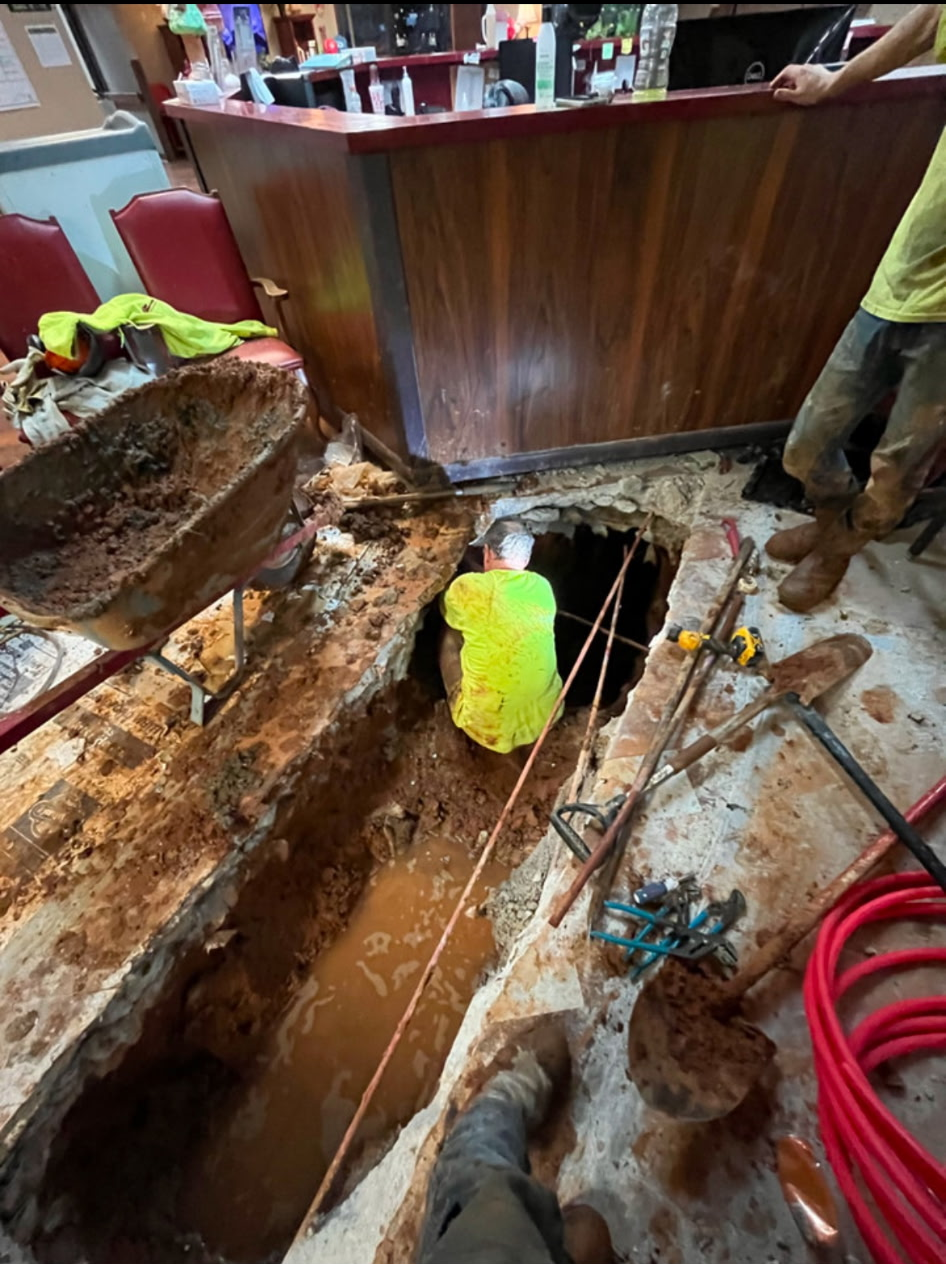
Many homeowners assume every clogged drain is caused by something that recently went down the sink or toilet. In reality, most recurring clogs develop gradually over months or even years.
Each time water flows through your plumbing system, small amounts of grease, soap residue, hair, food particles, and minerals remain inside the pipe. Over time, these materials stick together, reducing the inside diameter of the pipe until water can no longer flow freely.
Some recurring drain problems may also be caused by damaged pipes, improper pipe slope, tree root intrusion, or partial sewer line blockages.
Simply removing the visible clog doesn't always solve the real problem.
Understanding Different Types of Drain Clogs
Not every drain blockage is the same. Identifying the location and type of clog helps determine the most effective repair method.
Kitchen Sink Clogs
Kitchen drains often become blocked by grease, cooking oil, food scraps, coffee grounds, and soap residue. As grease cools inside the pipe, it hardens and traps additional debris, eventually creating a stubborn blockage.
Bathroom Sink & Shower Clogs
Hair Soap scum, Toothpaste, Cosmetic products, Mineral deposits, these materials form dense clogs that become increasingly difficult to remove without professional equipment.
Toilet Drain Clogs
Toilet blockages are often caused by excessive toilet paper, hygiene products, children's toys, or other items that should never be flushed. Repeated toilet clogs may indicate a deeper issue within the drain line.
Main Sewer Line Clogs
If multiple drains throughout your home begin backing up at the same time, the problem may be located in the main sewer line. Tree roots, pipe deterioration, or years of accumulated buildup can restrict wastewater flow and require immediate professional attention.
Warning Signs of a Serious Drain Problem
A clogged drain doesn't always stop completely before showing symptoms. Early warning signs often provide an opportunity to address the issue before it becomes a plumbing emergency.
Water draining slowly
Standing water around drains
Frequent plunging
Gurgling noises
Foul drain odors
Water backing up into tubs or showers
If several of these symptoms occur together, your plumbing system may have a blockage deeper than a single fixture drain.
Our Clogged Drain Repair Process
Every clogged drain repair begins with understanding why the blockage occurred in the first place.
We discuss your plumbing concerns, including how often the drain clogs, which fixtures are affected, and whether you've experienced previous drainage issues.
Using professional diagnostic methods, we determine whether the clog is located near the fixture, within a branch drain, or deeper inside the main sewer line.
Our technicians use professional plumbing equipment to safely remove grease, soap buildup, hair, sludge, food debris, and other materials restricting water flow.
Once repairs are complete, we test the affected drain to ensure wastewater flows freely and inspect for any additional concerns that may require attention.
Preventing Future Drain Clogs
The best drain repair is the one you never need. Small changes in daily habits can significantly reduce recurring plumbing problems.
We recommend:
- Never pouring grease or oil down kitchen drains.
- Using drain strainers to catch hair and debris.
- Flushing only toilet paper.
- Avoiding disposable wipes, even if labeled "flushable."
- Scheduling professional drain cleaning when slow drainage first appears.
- Addressing recurring clogs before they develop into sewer backups.
Frequently Asked Questions
Drain cleaning removes buildup before a blockage becomes severe. Clogged drain repair focuses on restoring proper drainage after a blockage has significantly restricted or stopped water flow and may include diagnosing underlying plumbing issues.
Recurring clogs often indicate grease buildup, damaged pipes, improper drainage, tree roots, or partial sewer line blockages rather than a simple surface clog.
While they may provide temporary relief, chemical cleaners often fail to remove the entire blockage and may damage certain plumbing systems over time.
If multiple drains are affected, water backs up into other fixtures, plunging no longer works, or clogs return repeatedly, professional repair is recommended.
Yes. We offer 24/7 emergency plumbing services for severe drain backups and urgent plumbing problems throughout Northwest Arkansas.
We proudly provide drain cleaning services throughout Prairie Grove, Farmington, Fayetteville, Springdale, Tontitown, Siloam Springs, Lowell, Gentry, Lincoln, Cave Springs, and surrounding Northwest Arkansas communities.
Restore Proper Drainage Before the Problem Gets Worse
A clogged drain rarely improves on its own. Ignoring the problem can increase the risk of pipe damage, water backups, and expensive plumbing repairs. Whether you're dealing with a slow kitchen sink, a backed-up shower, or recurring drain problems throughout your home, Master Plumbing is ready to help.
Email: belew@pgtc.com
Business Hours: 24 Hours a Day • 7 Days a Week